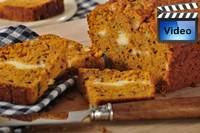
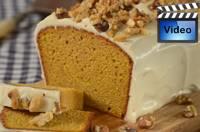
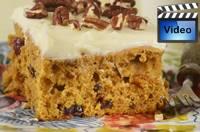
Pumpkin puree is used to
make this sweet, moist, and flavorful quick bread. What sets this
bread apart is a layer of cream cheese filling.
more
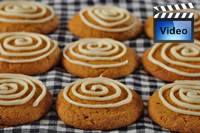
Pumpkin Cookies have a
wonderfully soft and spongy texture and taste of pumpkin and its
complementary spices (ground cinnamon, ginger and cloves).
Absolutely delicious with a cream cheese frosting.
more
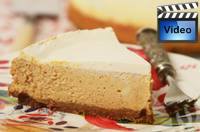
Pumpkin Cheesecake
combines two American favorites; New York style cheesecake and
pumpkin pie. It is the perfect dessert for Thanksgiving.
more
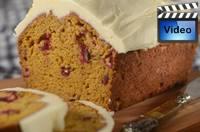
As its name implies, this
quick bread is full of the flavors of pumpkin and fresh cranberries.
Sweet and moist its flavor is enhanced by freshly squeezed orange juice
and zest. more
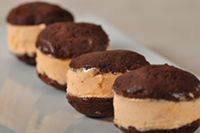
Pumpkin Ice Cream Sandwiches
combine delicious chocolate cookies filled with white chocolate chips
and pumpkin ice cream. more
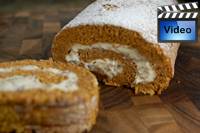
This lovely Pumpkin Roll
consists of sweet and moist pumpkin sponge roll wrapped around a tangy
cream cheese filling. more
Pumpkins are an integral
part of our Halloween and Thanksgiving celebrations. Yet the pumpkin's
role is very different for each of these holidays.
more
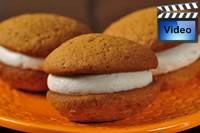
Pumpkin Whoopie Pies take
two round domed shaped pumpkin cookies and sandwich them together with a
soft and creamy vanilla filling. more
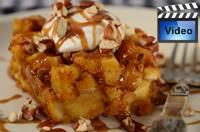
Pumpkin Bread Pudding is a
delicious combination of cubed bread that is soaked in a rich custard
containing cream, pumpkin puree, and spices.
more
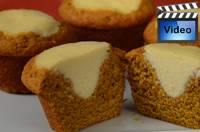
Pumpkin Cupcakes take
a dense and moist pumpkin cupcake and frost it with a tangy cream cheese
frosting and a sprinkling of nuts.
more
I like this
honey colored Pumpkin Cake with its shiny chocolate glaze. This cake is
full of flavor and keeps fresh for days, thanks to the pumpkin puree and
canola oil. more
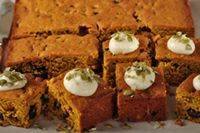
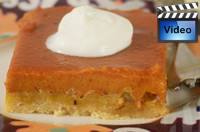
Pumpkin Bars are a delicious
combination of a buttery crisp shortbread crust, a layer of toasted
pecans, and a creamy smooth pumpkin
filling. Lovely garnished with a piped rosette of whipped cream.
more
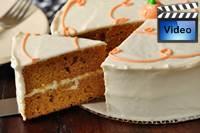
A buttery moist
cake flavored with pumpkin, dried cranberries, toasted pecans, and
aromatic spices. Excellent plain, but even better with a Cream
Cheese Frosting.
more
Pumpkin desserts start to
enter my thoughts as soon as the heat of summer fades. Its sweet earthy
flavor and dense fibrous texture is well suited for the baked goods we make
during the cool temperatures of Fall and Winter. I love how adding pumpkin
puree to muffin, scone, cake, pie, square, and quick bread batters turns
them a lovely
golden brown color and provides a moist dense texture.
All of the Pumpkin Dessert Recipes below call
for pure pumpkin (puree). You can use either homemade pumpkin puree or
canned pure pumpkin. Just make sure if using the canned product you buy
plain pure pumpkin (puree), not pumpkin pie filling, which has sugar and
spices already added.
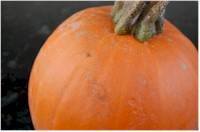
If you want to make your own
pumpkin puree you need to use the small Sugar Pie, Baby Bear or Cheese
Pumpkins (approximately 5-7 lbs., 2 1/2 - 3 1/2 kg.) which are sweeter and
less fibrous than the larger pumpkins we typically use for
jack-o'-lanterns. When choosing pumpkins look for ones that feel solid and
are heavy for their size, free of blemishes, cracks, and soft spots. Once
you are ready to make the puree; cut the pumpkin in half lengthwise, remove
seeds and stringy fibers, and place cut-side down on a greased baking sheet.
Bake at 350 degrees F (177 degrees C) for approximately 45 minutes to 1 1/4
hours (depending on size) or until easily pierced with a knife. Then scoop
out the pulp and puree in a food processor until smooth. You can then strain
the puree through a cheesecloth-lined strainer to extract all the
liquid. Make sure to cool the puree before using.
A four to five pound pumpkin yields
about 4 1/2 cups mashed. Just for your information, a 15 ounce (425 grams) can of
pure pumpkin yields about 1 3/4 cups. If you have any leftover pumpkin
puree you can store it in an airtight container in the refrigerator for
about two weeks or freeze it for about six months.
In North America, a sweet
pumpkin dessert is usually flavored with some combination of ground spices.
All the spices used have an aroma that is warm and fragrant, yet each has
its own distinctive flavor. Ground cinnamon is
usually the primary spice and Jill
Norman in her excellent book "Herbs & Spices" describes
cinnamon accurately "a
warm, agreeably sweet, woody aroma that is delicate yet intense; the taste
is fragrant and warm with hints of clove and citrus". Other spices
include a blend of ground ginger (peppery with subtle lemon flavor), cloves
(rich and spicy), allspice (peppery combination of cloves, cinnamon and
nutmeg), and/or nutmeg (woody).
While you can follow the spice amounts given in the recipes exactly, there
is wiggle room to alter the amounts and types of spices. This is especially
true when it comes to ground cloves. This spice has a rich, warm and spicy
flavor that is unmistakable. If you are a person who doesn't like it, just
leave it out. The important thing is to use it sparingly as it can easily
overpower other spices. Also, there are recipes that call for Pumpkin Pie or
Mixed Spice. This is a blend of ground cinnamon, ginger, allspice and
nutmeg. To make your own (one teaspoon) combine 1/2 teaspoon ground
cinnamon, 1/4 teaspoon ground ginger, 1/8 teaspoon ground allspice and 1/8
teaspoon freshly ground nutmeg.
Another point about ground
spices is that they have a fairly short shelf life, often just a few months.
So it is best to buy in small quantities from a bulk food store that has a
high turnover. Store them in an airtight container in a cool dry place.
Store them away from heat so it is not a good idea to store them by the
stove.
Use of materials on
all pages on the domains Joyofbaking.com,
the Joyofbaking.com Facebook
Page, the
Joyofbaking1 YouTube
Channel and any emails sent from @joyofbaking.com
are
entirely at the risk of the user and their owner, iFood Media LLC
will not be responsible for any damages directly or indirectly resulting
from the use.
References
cited may include a link to purchase the referenced book or item on Amazon.com.
Joyofbaking.com receives a commission on any purchases resulting from these
links.
This
website and the contents are not endorsed or sponsored by the owner of the
"Joy of Cooking" series of books or its publisher Simon & Schuster, Inc.
and is not related to the "Joy the Baker" books and website.
Video icons by Asher.
Content in any form may
not be copied or used without written permission of Stephanie Jaworski,
Joyofbaking.com. Students and non profit educators may use content without
permission with proper credit.